Your mind can be your best friend—or your worst enemy. In The Chimp Paradox , Professor Steve Peters explains how to understand and manage the emotional 'Chimp' inside your brain. With a simple yet powerful model, this book teaches you how to stay calm, make better decisions, and live a more balanced, successful life.
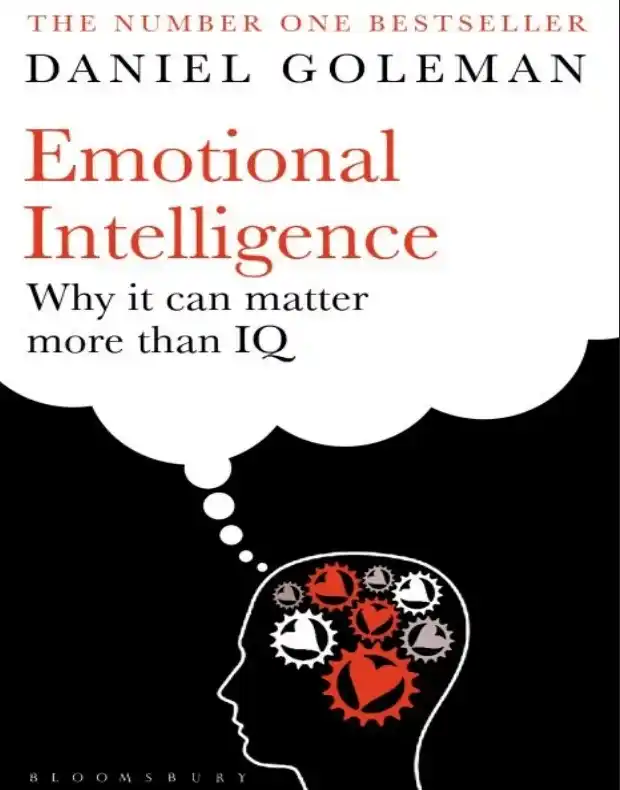
IQ gets you hired, but EQ gets you promoted. In Emotional Intelligence , Daniel Goleman reveals how understanding and managing emotions—your own and others’—can determine success in life, work, and relationships. With insights from psychology and neuroscience, this groundbreaking book shows that true intelligence includes heart, empathy, and emotional mastery.
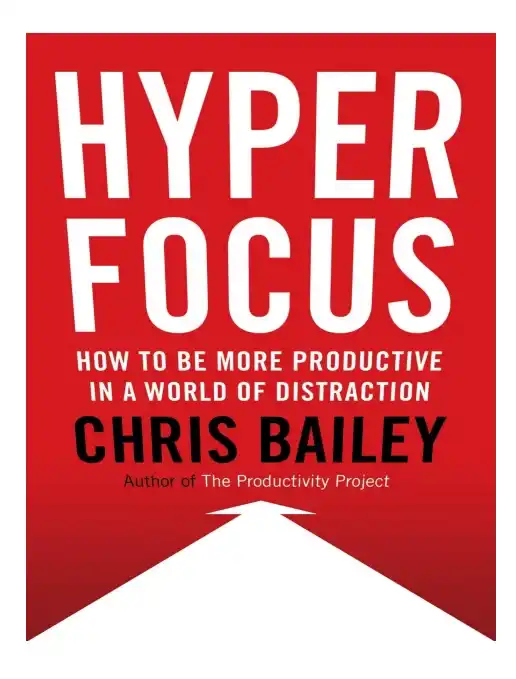
True productivity isn’t about being busy—it’s about being intentional with your attention. In Hyperfocus , Chris Bailey shows how to master your focus, eliminate distractions, and do fewer things better. By balancing deep work with creative downtime, you’ll achieve more in less time—and finally get the results that matter most.
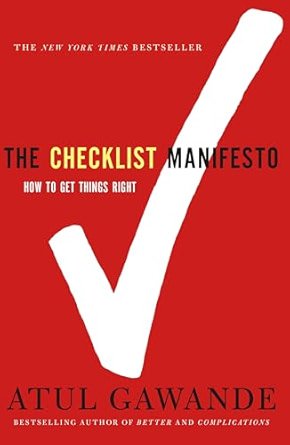
In The Checklist Manifesto , Dr. Atul Gawande reveals how a simple tool—the checklist—can prevent costly mistakes in complex fields like surgery, aviation, and construction. By ensuring that nothing is overlooked, checklists improve teamwork, reduce errors, and save lives. This book proves that sometimes, the smartest solutions are the simplest.
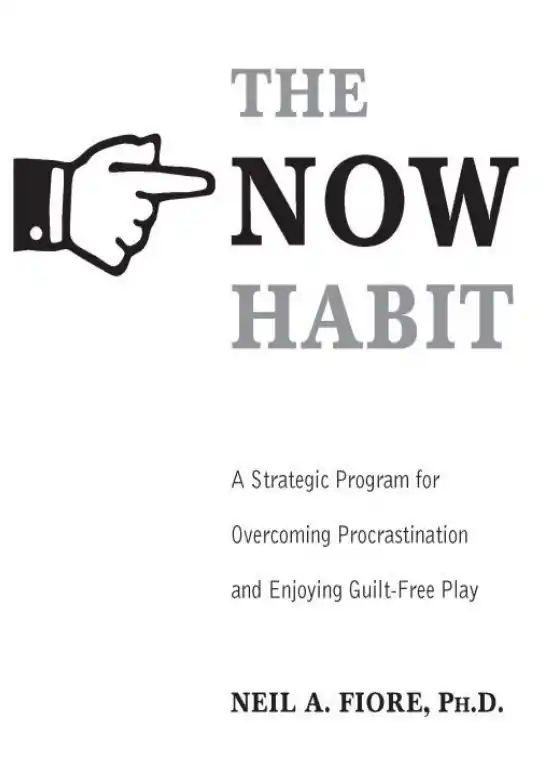
Procrastination isn’t about poor time management, it’s about how you feel about your work and yourself. In The Now Habit , Dr. Neil Fiore offers a compassionate, step-by-step program to break the cycle of delay and guilt. Through tools like the Unschedule and the 20-Minute Dash, you’ll learn to start tasks easily, stay focused, and enjoy guilt-free play—all while getting more done.
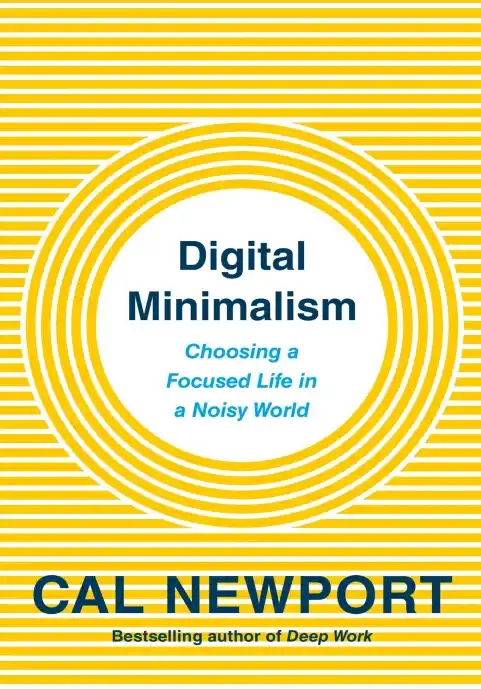
We’ve let digital tools take over our lives without questioning their value. In Digital Minimalism , Cal Newport offers a path to reclaim your attention through a 30-day declutter process. By removing distractions and focusing on what truly matters, you’ll rediscover solitude, deepen relationships, and build a life led by intention—not notifications
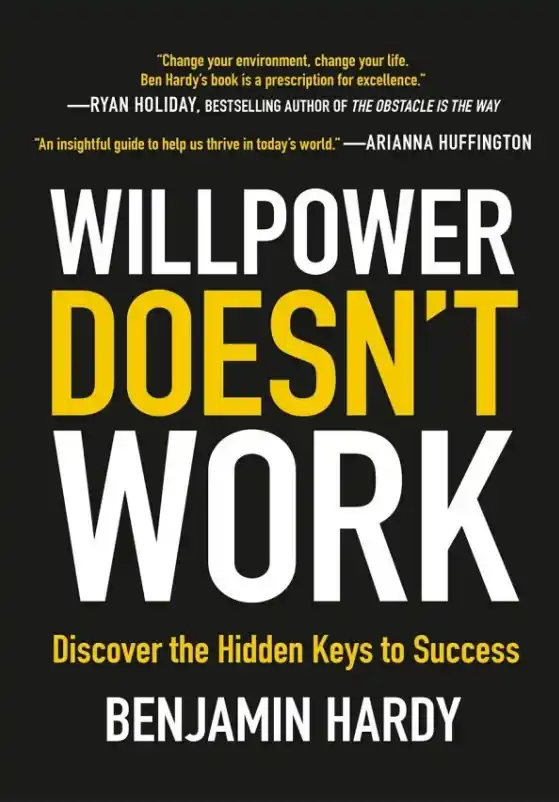
Trying harder won’t make you successful—designing your life will. Willpower fades under pressure. But a well-designed environment makes success effortless. Stop fighting yourself. Start engineering your world so that greatness happens by default. This book reveals how.
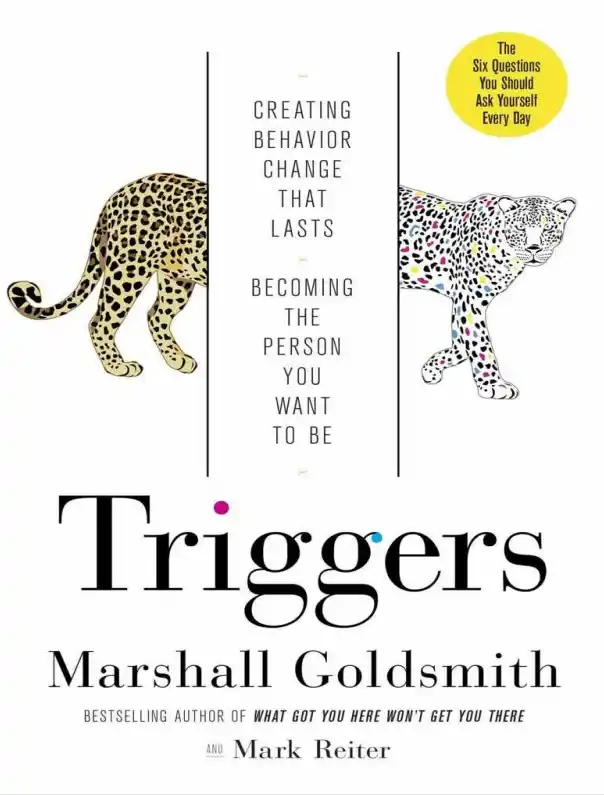
Why do we fail to change, even when we know what to do? The answer lies not in willpower, but in our environment. Every behavior has a trigger. Learn how to spot the hidden forces shaping your actions, and design your life to support the person you want to become. This is the missing link in lasting self-improvement.
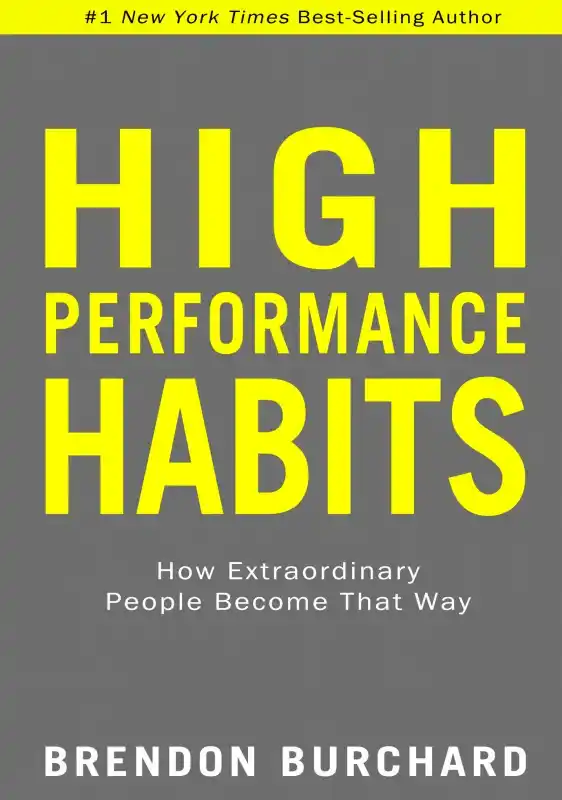
High performance is not about working harder or smarter—it's about adopting specific habits that align with your deepest purpose and values. The research is clear: specific deliberate habits, practiced consistently, create extraordinary results regardless of your starting point, personality, strengths, or environment. When you implement the six habits of seeking clarity, generating energy, raising necessity, increasing productivity, developing influence, and demonstrating courage, you will experience greater success, fulfillment, and contribution across all domains of your life.
Habits are the invisible architecture of daily life. We repeat about 40 percent of our behavior almost daily, so our habits shape our existence and our future. If we change our habits, we change our lives. But that observation just raises the question: How do we change our habits? That's what this book seeks to answer. The secret to changing habits? First, we must know ourselves. Different strategies work for different people—in fact, what works for one person might directly conflict with what works for another.
When a habit emerges, the brain stops fully participating in decision making. It stops working so hard, or diverts focus to other tasks. Unless you deliberately fight a habit, unless you find new routines, the pattern will unfold automatically. However, simply understanding how habits work, learning to recognize the cues and rewards that drive them, makes them surprisingly easier to control. Once you break a habit into its components, you can fiddle with the gears.
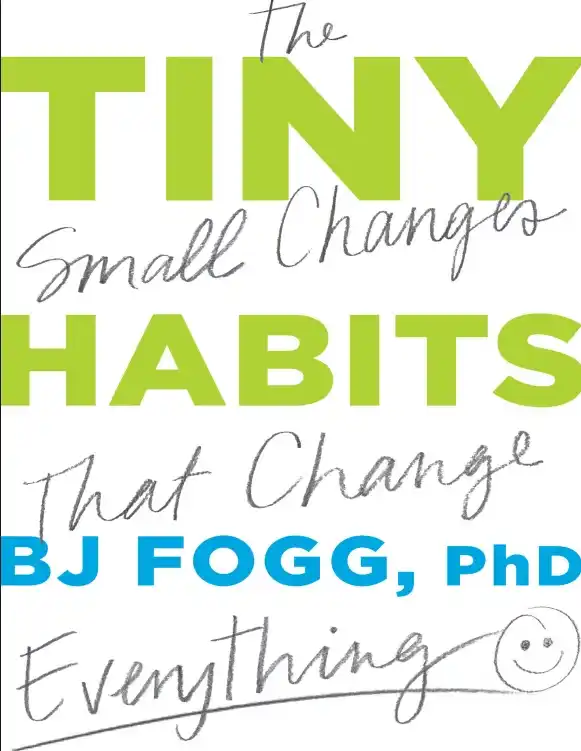
Behavior change is not a mystery; it's actually quite predictable. When behavior change doesn't happen, it's typically because the person doesn't want to do it, doesn't know how to make it easy, or isn't prompted to do it. With the Tiny Habits method, you can sidestep these obstacles by creating habits that are small enough to succeed regardless of motivation, designing for simplicity, and anchoring new behaviors to existing routines in your life.
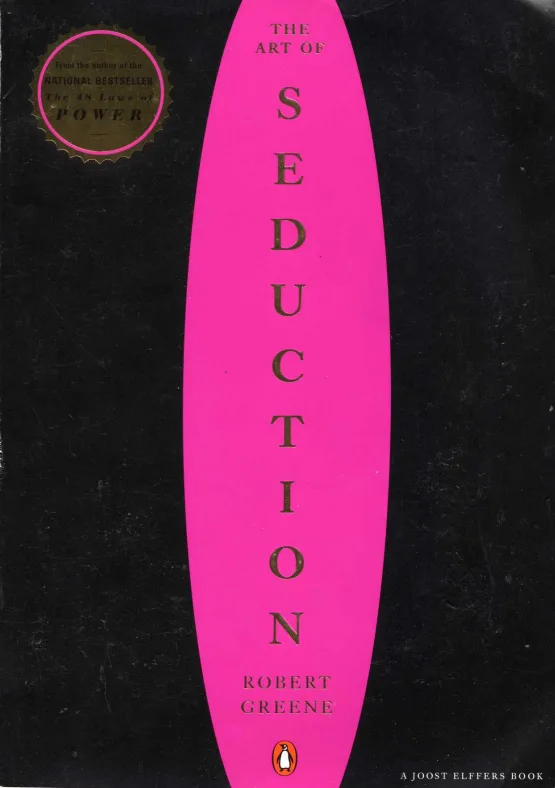
Seduction isn’t just for lovers, it’s a powerful tool used by leaders, artists, and influencers to win hearts and minds. In The Art of Seduction , Robert Greene reveals the timeless strategies of history’s greatest seducers, blending psychology, history, and strategy to show how anyone can master the art of allure, charm, and persuasive influence.
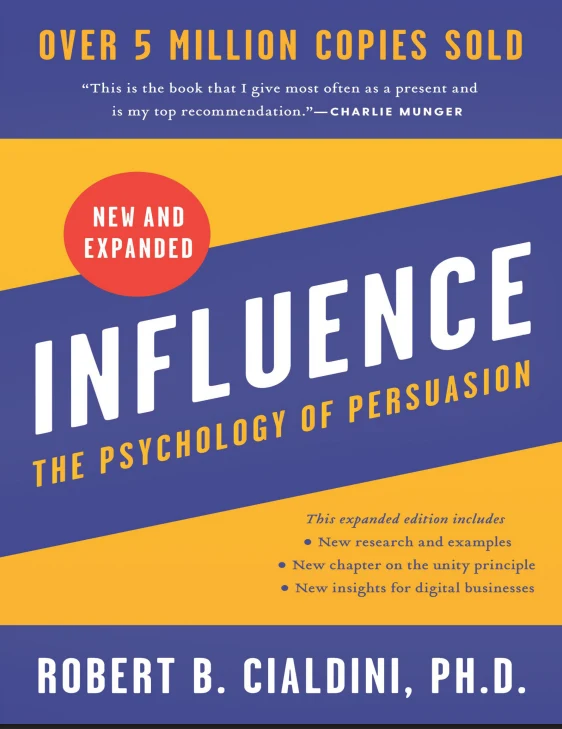
Why do people say 'yes' to certain requests and not others? In Influence , Dr. Robert Cialdini reveals six psychological principles that shape human behavior, reciprocity, commitment, social proof, authority, liking, and scarcity. Whether you want to persuade, negotiate, or simply understand how influence works, this book gives you the tools to apply them ethically and effectively.
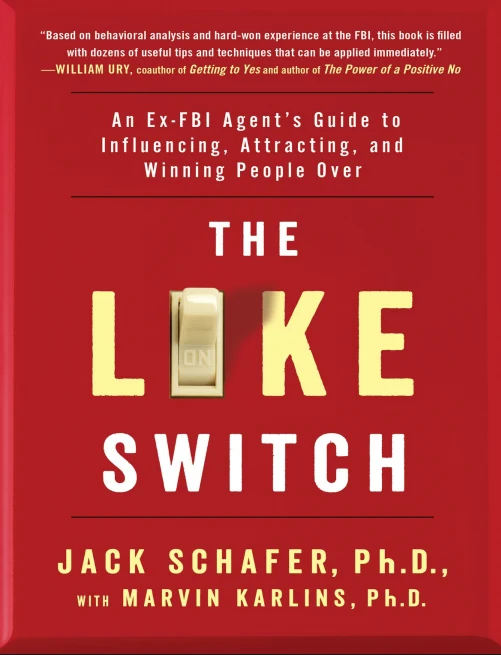
It’s not about faking charm or manipulating emotions, it’s about activating the natural human tendency to like those who make us feel safe, heard, and valued. In The Like Switch , former FBI agent Henryk Fiedorowicz reveals how to use respect, empathy, and validation to instantly build trust, influence decisions, and win people over, in business and in life.
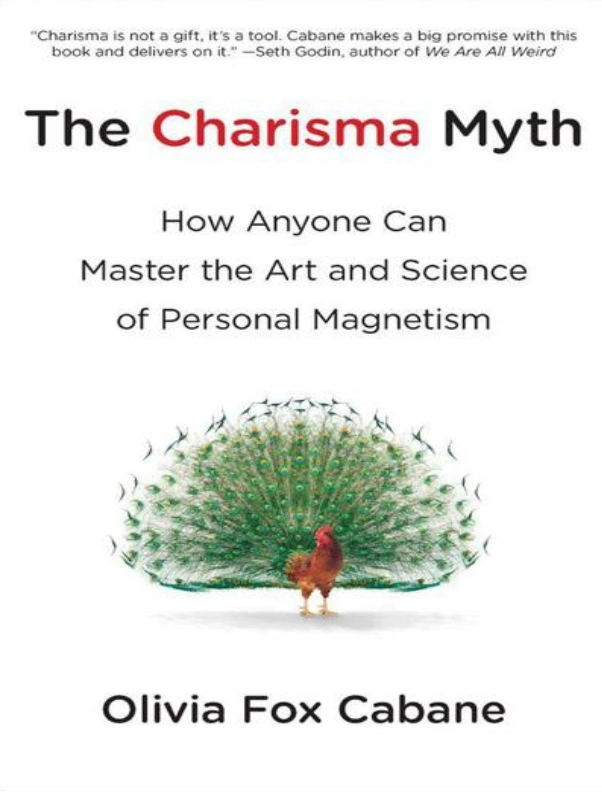
Contrary to popular belief, charisma isn’t reserved for the naturally gifted. It’s a set of behaviors and mindsets anyone can learn. By mastering presence, warmth, and power, you can become more influential, persuasive, and memorable. Whether in business or life, The Charisma Myth teaches you how to project confidence, connect deeply, and leave a lasting impression.
"You've heard people say 'She has a magnetic personality' or 'He lights up a room.' What exactly do these people do? What's their secret? They simply use their bodies to communicate 'I think you are wonderful and I'm very, very glad to be with you.' They stand up straight up with their shoulders back. They lean forward, genuinely interested in what you have to say. They look you right in the eye, and they don't let their eyes wander while you're speaking to them. They touch you appropriately.
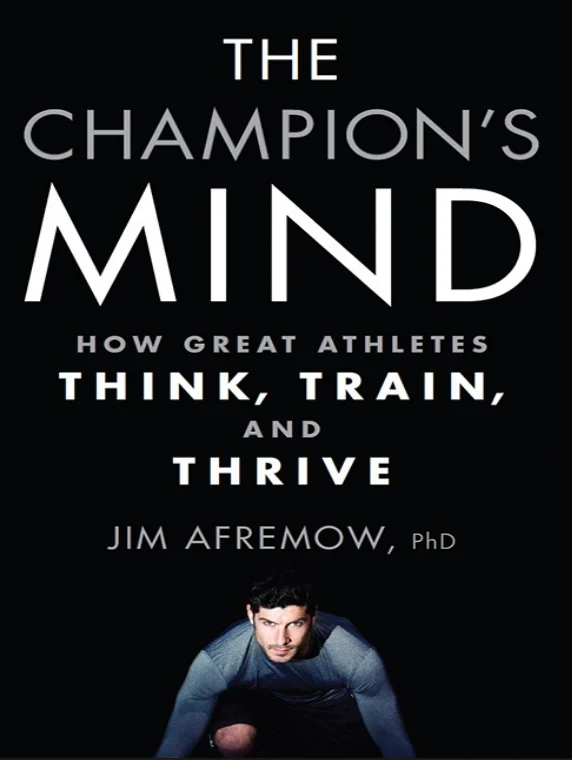
Champions don’t wait for confidence to show up, they build it through deliberate practice. Every drill you perfect, every film session you study, every ounce of effort you give when no one is watching deposits into your mental toughness account. When the pressure is highest, you withdraw from that account. The difference between choking and thriving isn’t talent; it’s the thousands of invisible repetitions where you trained your mind to stay present. Next time you’re in a clutch moment, don’t think about winning. Think about your breathing. Focus on your form. Trust your training. The medal is just the confirmation...
Transformation isn’t some distant mountaintop you’ll reach ‘someday’, it’s the dirt under your nails today. Every time you choose courage over comfort, you’re sculpting your badassery. That 5AM workout? A love letter to your future self. The awkward sales call? A down payment on unshakable confidence. Stop waiting for permission or perfect conditions. The magic is in the mundane, the daily decision to show up as the hero of your story, not the victim. Remember: Rome wasn’t built in a day, but the bricks were laid hourly. Your empire starts now.
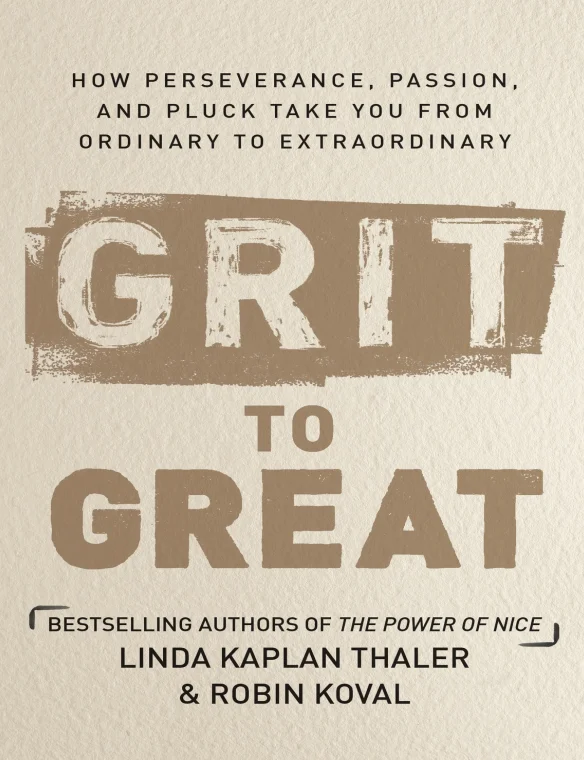
We’re obsessed with talent, but the world is run by those who show up. The ‘overnight success’ is a myth—most breakthroughs come after years of invisible effort. Grit isn’t glamorous. It’s the writer who keeps submitting after 50 rejections. The entrepreneur who pitches 100 investors. The student who studies while others party. Talent might open doors, but grit keeps you knocking until they swing wide. The difference between good and great? Just one more try.