Banu Mushtaq's Heart Lamp (trans. Deepa Bhasthi) is a collection of eleven short stories exposing patriarchy, religious hypocrisy, and class exploitation among Muslim women in small-town Karnataka. Through unflinching narratives, a forgotten burial shroud, a fatal kick, a mother silenced by brothers, it critiques how men weaponize tradition while women survive through quiet rebellion and sisterhood.
This 531-page compilation exposes Red Pill philosophy on masculinity, female psychology, hypergamy, and anti-feminism. Exploring Dark Triad traits (Machiavellianism, narcissism, psychopathy), monk mode, dread game, and shit tests, it draws from Machiavelli, Nietzsche, and evolutionary biology. Includes critiques of marriage, feminism, gynocentrism, and male self-improvement strategies. A controversial foundational manosphere text.
Kate Millett’s Sexual Politics argues that patriarchy is a political system of male dominance, not a natural fact. She exposes misogyny in the literary canon (Lawrence, Mailer, Miller) and in Freudian psychology. The book famously declares “the personal is political,” showing how family, sex, and love reinforce female submission. A foundational text of second-wave feminism.
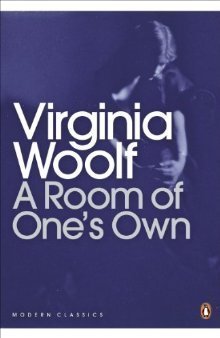
A woman needs money and a room of her own to write fiction. Woolf explores why history lacked great female writers, imagines "Shakespeare's sister" to prove her point, and argues that poverty and lack of private space have silenced women. True creative freedom requires financial independence and a mind free from anger.
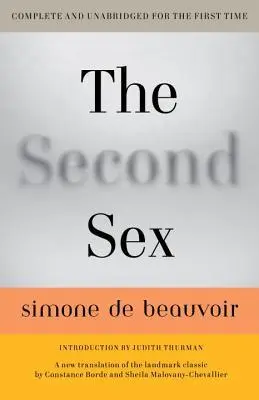
One is not born but becomes a woman. Society, not biology, casts her as the inferior "Other" to man's superior "Self." Trapped in immanence through housework, marriage, and motherhood, she seeks escape through narcissism or love. Liberation requires economic independence and recognition as a free subject, ending the eternal battle of the sexes.
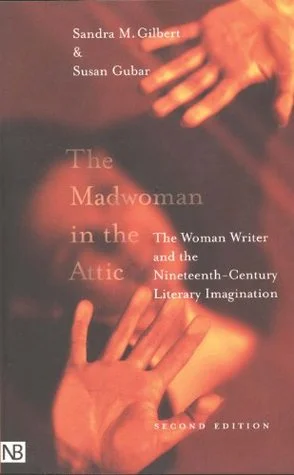
The Madwoman in the Attic is the landmark work of feminist literary criticism that transformed how we read nineteenth-century women writers. Sandra Gilbert and Susan Gubar argue that behind the decorous surfaces of Jane Austen, the Brontës, George Eliot, and Emily Dickinson lies a hidden tradition of rage, rebellion, and secret creativity. Coining the phrase "anxiety of authorship," they reveal how women writers concealed subversive meanings beneath palimpsestic texts, and how the madwoman in the attic is every woman writer's double.