
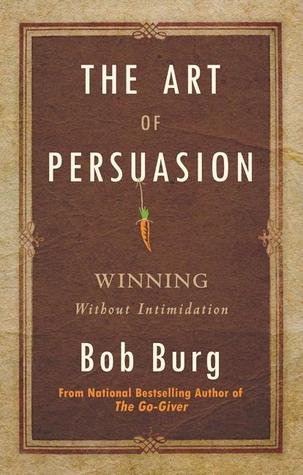

SUMMARY OF THE ART OF PERSUASION BY BOB BURG
Part 1: Winning Without Intimidation
Bob Burg opens by acknowledging a frustrating reality: we frequently encounter rude, unhelpful, or difficult people in daily life. He offers two choices when facing such people—fight back on their level (which rarely works and creates enemies) or win through positive persuasion. Burg defines “winning” not as making the other person lose, but as getting what you want while making them feel good about the interaction. He quotes the Talmudic sage Simeon ben Zoma: “Who is a mighty person? One who can control his emotions and make of an enemy a friend.”
The foundation of persuasion rests on understanding that people act out of emotion, not logic. We make decisions based on the desire for pleasure or the avoidance of pain, then rationalize our emotional choices with logical-sounding excuses. Our egos play a massive role in every interaction. Burg introduces the Parent-Adult-Child model from transactional analysis: the Parent talks down to others, the Child feels victimized, and the Adult communicates respectfully. The goal is always Adult-to-Adult interaction.
Finally, he distinguishes between responding (positive, thoughtful action) and reacting (negative, impulsive behavior). Tact—the ability to say something without offending the other person—is “the language of strength” and the key to persuasion.
Part 2: Learning the Art of Persuasion
Burg presents several foundational techniques:
Thoughtfulness as a habit: Hold doors, compliment crying babies, park farther away, send congratulatory notes. These small acts cultivate a persuasive character.
Walk in their moccasins: When someone offends you, imagine what struggles they might be facing. Stephen Covey’s subway story illustrates this powerfully: a man whose children were acting out had just learned their mother died.
People do things for their reasons, not yours: Find the benefit they will receive by helping you.
People act as you expect them to: If you expect kindness and gratitude, you project those qualities, and people typically rise to meet your expectations.
The three P’s: Be Polite, Patient, and Persistent, especially with people not required to help you.
Thank people in advance: “I really appreciate you taking the time to…” acts as insurance that they will follow through.
Acknowledge good work publicly: Behavior that gets rewarded gets repeated.
Hear people out completely without interrupting: Let angry people vent before responding calmly.
Part 3: Know You, Like You, Trust You
The “golden rule of networking” applies to all persuasion: all things being equal, people will do business with and help those they know, like, and trust.
Ask for advice rather than favors. This makes people feel important and gives them emotional pleasure.
Match the other person’s words and phrases: People rarely argue with themselves. Repeat their exact language back to them to build rapport.
Use the “I message” instead of “you messages.” Say “I feel upset” rather than “You upset me.” This puts the responsibility on yourself and disarms the other person.
Defend without intimidation: In a mock unemployment hearing, Burg used politeness, respect, and an implied threat (mentioning “investigative reporters”) to win his client’s case without ever raising his voice.
Let the person feel it was their idea: Use phrases like “as you pointed out earlier” or “as you might say” to give them credit for the solution.
The eight magic words: “If you can’t do it, I’ll definitely understand” followed by “If you could, I’d certainly appreciate it.” These words, delivered with sincerity, often motivate people to bend rules and go the extra mile.
Part 4: Make People Feel Good About Themselves
Children teach us that people wear invisible signs saying “Make Me Feel Important.” This is the heart of persuasion.
When in a weak negotiating position, put your fate in the other person’s hands. Admit your ignorance in their area of expertise, compliment their ethics and skill, and mention that you will refer others to them if treated fairly.
Decline offers respectfully: When someone proposed pirating Burg’s audio program, he politely declined without offense—and discovered the man didn’t know about quantity discounts. They made a deal.
Get the person involved in your challenge: Instead of asking Tom to fix your gadget, ask, “How would you suggest I begin?” His ego will prompt him to help.
Disagree without offending: Use phrases like “Correct me if I’m wrong” or “Could you clarify something for me?” before pointing out errors.
Send handwritten thank-you notes on personalized cards with blue ink and handwritten envelopes. This distinguishes you from virtually everyone else and builds lifelong loyalty.
Part 5: Everything is Negotiable
Burg demonstrates that nearly everything is negotiable if you approach it correctly.
The “non-negotiable” table placement: When an arena official said a prime table location was non-negotiable, Burg agreed respectfully, asked for advice, and let the official discover the solution himself (not opening the table until after the speech). The official felt he won, and Burg got prime placement.
How you ask matters more than what you ask: Tone, emphasis, and phrasing dramatically alter meaning. The same sentence (“I didn’t say she stole the money”) means seven different things depending on which word you emphasize.
Smile: Smiling releases endorphins that make you happier, and others mirror your smile. A sincere smile is one of the most powerful persuasion tools available.
Plant the seeds for more: Tell a server “I love those carrots” as they begin serving, and you’ll get larger portions. Call a mechanic an “artist,” and they’ll take extra care.
Use “I know that you…” before giving instructions: “I know that you believe in being sensitive to people’s feelings…” This allows you to direct behavior without offending ego.
Part 6: How to Deal With Difficult People
Not every person can be persuaded. “Don’t try to teach a pig to sing. It frustrates you and annoys the pig.” Some people are simply unreasonable—know when to move on.
The pre-apology approach: When facing a miserable ticket agent, Burg said, “I’m sorry you’ve got to bother with all this stuff.” The agent’s attitude completely changed.
Know what you want, who can give it to you, and how to get it (Milo Frank’s formula).
Find the “who” : When a purchasing agent was rude, salesperson Joe Cousineau went to the company president, explained the situation calmly, and won the account—the third-largest in his division’s history.
End telephone conversations politely by setting time limits upfront: “I’ve got about thirty seconds, what’s going on?”
Edify difficult people: Build them up in their own minds and in others’ minds. Catch them doing something right and praise it publicly. Behavior that gets rewarded gets repeated.
Resolve conflicts using Dr. Paul Swets’s model: Define the problem (“I hear”), look for agreement (“I agree”), understand feelings (“I understand”), and state views calmly (“I think”).
Write effective request letters that compliment the company, acknowledge their challenges, and invite a win/win solution. Burg’s letter about missing clothing resulted in overnight delivery of a check.
Part 7: The Art of Persuasion in Action
The implied threat (delivered nicely): When jewelry was stolen from a hotel room, the guests told the manager they’d hate to mention the hotel’s name to their 2,000-person convention. The manager waived their room charges.
Getting out of a ticket: Turn on interior lights, place hands at 10 and 2, admit fault respectfully, and use the eight magic words. This often results in a warning instead of a ticket.
Feel, Felt, Found: “I understand how you feel. I felt the same way. What I found is…” This classic technique allows you to overcome objections without arguing.
Lincoln’s tactful disgust letter to General Hooker: Lincoln praised Hooker’s strengths at length before gently criticizing him, then ended with encouragement. The general took no offense.
Focus on similarities, not differences. Lincoln turned his harshest critics (Stanton and Seward) into loyal allies by finding common ground.
The third-party explanation: Instead of directly correcting someone, tell a story about yourself being corrected by a mentor. This delivers the message without triggering defensiveness.
Accept the blame, give the credit: Leaders who take public responsibility for failures and give away credit for successes inspire fierce loyalty.
Part 8: What Sets You Apart From the Rest
Remain humble after victories—gloating ensures others will work to defeat you next time.
The Platinum Rule (Cathcart and Alessandra): “Do unto others as they’d like to be done unto.” Learn how different personality types prefer to be treated.
Request rather than order: “When you get a chance, would you please bring us more water?” gets faster service than demands.
Be a “yes person” —not a sycophant, but someone who looks for possibilities rather than problems when others bring ideas.
Write the letter you never send: When furious, write a scathing letter, then tear it up. This releases anger without causing damage.
Edify, edify, edify: Build people up to themselves and to others. Burg’s father refused to join a carpet installer in criticizing his wife, instead praising her at every turn.
Delayed gratification over instant gratification: Before reacting negatively, ask, “Will my reaction strengthen or hurt my relationship with this person?”
There’s no winning an argument: As Dale Carnegie said, “A man convinced against his will is of the same opinion still.” Lincoln added: “Better to give your path to a dog than be bitten by him.”
Lose small battles to win the war: Make minor concessions to let the other person save face.
Part 9: Nuggets of Wisdom Learned Along the Way
“If you could convince yourself that…” instead of “If I can convince you that…” This allows the person to persuade themselves.
“I might be wrong about this…” disarms defensiveness before you point out an error.
Sometimes just listening wins the day. A sales prospect ranted against TV advertising for ten minutes, then bought—without Burg saying a word.
“You know a lot more about this than I do—how would you approach…?” pays a high compliment and puts the person in control.
Begin criticism with genuine praise, then criticize the performance (not the person), then end with encouragement.
The seven words that haunt you: “I’ll never need him for anything anyway.” Everyone becomes important eventually.
Notice something of their interest: The retired businessman’s hand-carved birds led to a key referral after two hours of conversation.
Smile while giving constructive criticism—this softens the message without giving mixed signals.
Know your objective and plan your approach (Milo Frank).
The “insurance policy” technique: Tell a negotiator that their concession is like them buying insurance that you won’t buy from someone else.
Play The Compliment Game: Give at least five sincere compliments daily to five different people.
Be the host, not the guest: Introduce people to each other, especially newcomers. You’ll be remembered and valued.
The One Key Question: “How can I know if someone I’m talking to would be a good prospect for you?” This question sets you apart from everyone else.
Address the superior respectfully: Use last names, smile, shake hands firmly, and thank them for their time before presenting your case.
Giblin’s Truth Serum: Impute a virtue to someone, and they will live up to it. Tell a tough guy, “People say you won’t lie,” and they’ll tell the truth.
The “Negative Yes” (Tom Hopkins): “Would you be offended if I stopped by?” A “no” answer means “yes, come by.”
Plant the affirmative: Instead of “Would you like to go to dinner?” ask “If we went to dinner, where would you like to go?” Their answer implies yes.
Reintroduce yourself to people who might have forgotten your name. This saves their ego and builds comfort.
F-O-R-M: Ask about Family, Occupation, Recreation, and Message (what they deem important).
Part 10: Beyond Business
Don’t embarrass people by “catching” them in a mistake. It gains nothing and creates enemies.
Set a positive example: At a football rivalry game, Vic and Bubba treated opposing fans with respect and hospitality—turning potential enemies into friends.
Use humor (especially self-deprecating humor) to defuse tense situations.
Treat suppliers as well as customers—pay on time, talk with them (not at them), and refer business to them.
Ralph Lagergren’s backstage story: By writing a humble letter thanking the station manager “for even considering” his request, Ralph got his wife a private meeting with George Strait.
The “helmet” dream: Burg dreamed of a helmet that gave the wearer perfect persuasive ability. The helmet represents mastering the art of persuasion—responding instead of reacting, using tact, and making people feel good about themselves.
Tact is the language of strength: The ability to say something without offending others while still getting your point across is the single most important persuasion skill.
Note to Reader: This summary condenses the full 10-chapter book The Art of Persuasion (also published as Winning Without Intimidation) by Bob Burg into ten thematic parts for clarity and readability. The complete book contains approximately 192–240 pages (depending on edition) and includes additional real-life examples, deeper explorations of each principle, and extended stories illustrating the techniques in action. While every major concept is covered here, reading the full book allows for deeper internalization of the material through Burg’s engaging storytelling and repetition of key principles across varied scenarios.