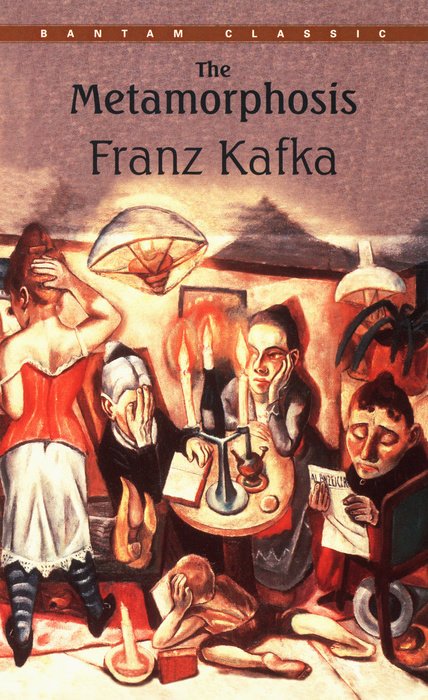
Kafka's The Metamorphosis follows Gregor Samsa, a traveling salesman who wakes as a "monstrous insect." His family initially cares for him but gradually rejects him, leading to his lonely death. This Norton edition includes Bernofsky's translation, letters, contextual writings by Nietzsche and Rilke, and critical essays on gender, aesthetics, and animality.
A woman needs money and a room of her own to write fiction. Woolf explores why history lacked great female writers, imagines "Shakespeare's sister" to prove her point, and argues that poverty and lack of private space have silenced women. True creative freedom requires financial independence and a mind free from anger.
The Madwoman in the Attic is the landmark work of feminist literary criticism that transformed how we read nineteenth-century women writers. Sandra Gilbert and Susan Gubar argue that behind the decorous surfaces of Jane Austen, the Brontës, George Eliot, and Emily Dickinson lies a hidden tradition of rage, rebellion, and secret creativity. Coining the phrase "anxiety of authorship," they reveal how women writers concealed subversive meanings beneath palimpsestic texts, and how the madwoman in the attic is every woman writer's double.
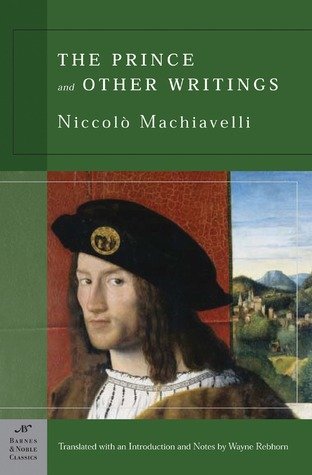
The Prince by Niccolò Machiavelli is a pragmatic guide to political power, arguing that rulers must prioritize state stability over conventional morality. Written amid Italy’s fragmentation and foreign invasions, it advocates strategic use of force, fear, and deception, while maintaining the appearance of virtue. Though often misread as a manual for tyranny, it reflects Machiavelli’s patriotic hope for a unified, strong Italy. His broader writings reveal a republican sympathizer who understood autocracy as a necessary, if harsh, tool in times of crisis, grounded not in cynicism, but in realism about human nature and power.
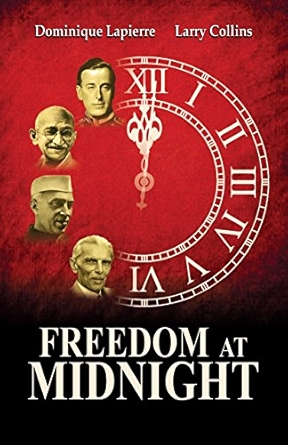
As the clock struck midnight on August 15, 1947, India awoke to freedom, but also to fire, blood, and exile. Freedom at Midnight delivers a heart-wrenching yet inspiring account of the subcontinent’s partition, revealing how vision, vanity, and violence shaped a new world order. Through intimate portraits of Gandhi, Nehru, Jinnah, and Mountbatten, this classic illuminates the high cost of liberty and the enduring power of human decency. A must-read for leaders, historians, and seekers of truth. Summary powered by VariableTribe.
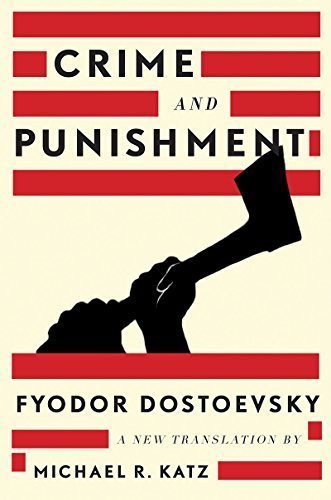
Crime and Punishment by Fyodor Dostoevsky is a psychological and spiritual masterpiece. It follows Raskolnikov, a poor student who murders a pawnbroker to test his theory of superior men. Instead of glory, he faces guilt, paranoia, and inner collapse. Guided by love and faith, he seeks redemption. This timeless novel explores morality, suffering, and the human capacity for both evil and grace.
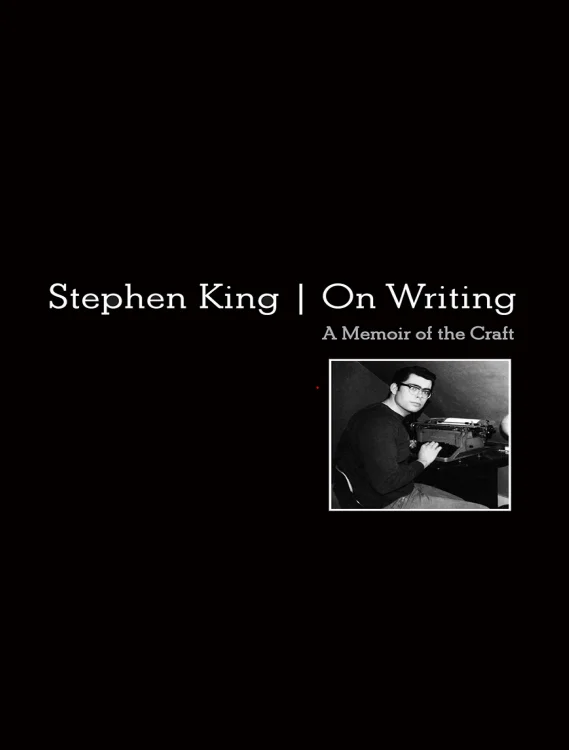
Writing isn't about making money, getting famous, getting dates, getting laid, or making friends. In the end, it's about enriching the lives of those who will read your work, and enriching your own life, as well. It's about getting up, getting well, and getting over. Getting happy, okay? Getting happy. Some of this book, perhaps too much, has been about how I learned to do it. Much of it has been about how you can do it better.