The Loneliness Epidemic!
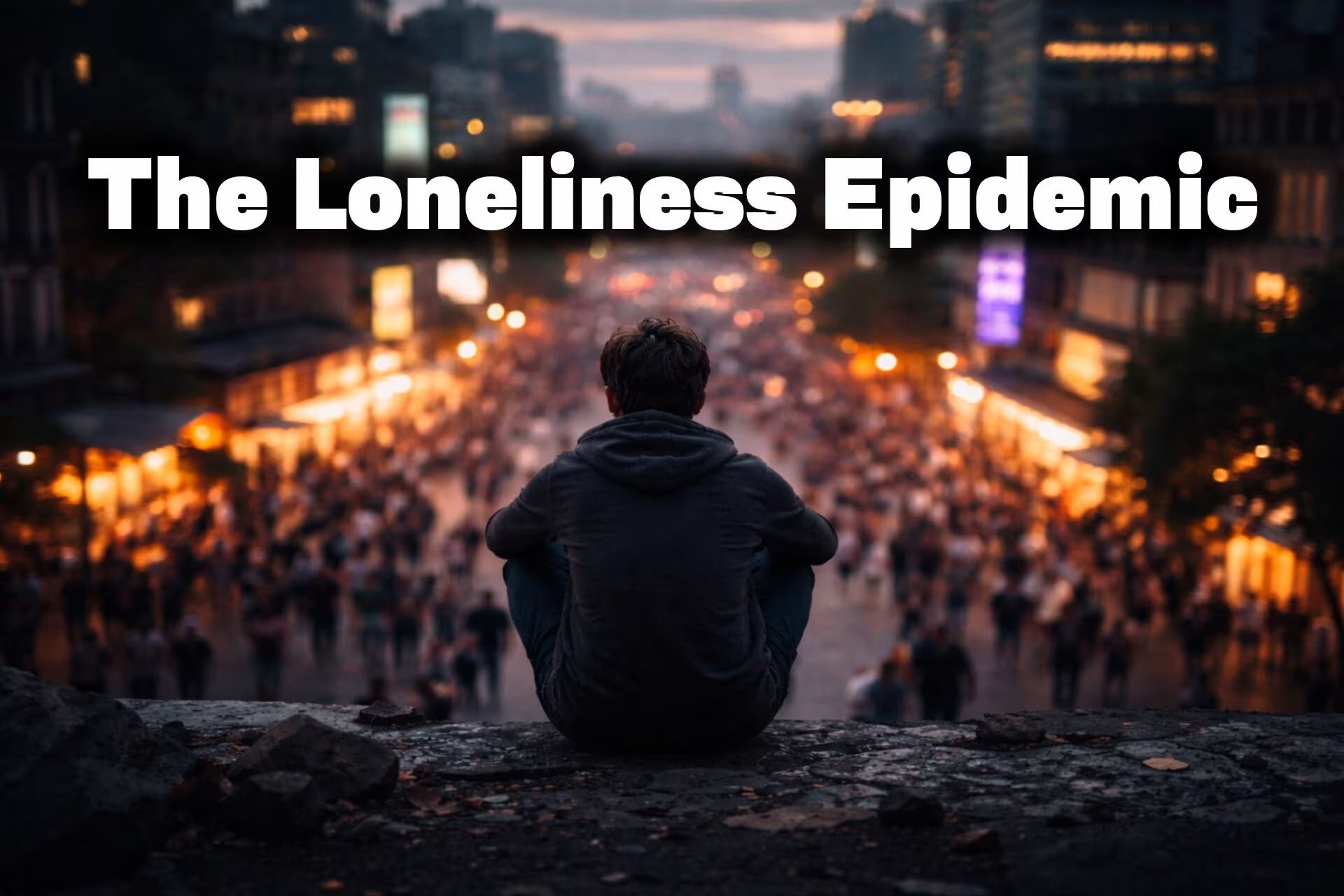
We live in the most digitally connected era in human history, yet millions feel deeply alone. Loneliness is now being described as a public health crisis. Global institutions like the World Health Organization have also highlighted social isolation as a growing global health concern.
This is not poetic exaggeration. It is data. And it demands attention.
What Is the Loneliness Epidemic?
The loneliness epidemic refers to the rapid rise in chronic loneliness and social isolation across all age groups, especially among young adults.
Unlike temporary solitude which we do intentionally, chronic loneliness is a prolonged feeling of emotional disconnection, lack of belonging and absence of meaningful relationships.
Studies from Harvard University reveal:
-
Young adults report higher loneliness levels than seniors.
-
Social isolation increases risk of premature death.
-
People with weak social connections experience higher anxiety and depression rates.
The shocking truth is: We are hyperconnected, but emotionally disconnected.
Latest Loneliness Statistics
Here are some recent findings that explain why experts call this a mental health crisis:
-
Chronic loneliness increases risk of heart disease and stroke.
-
Social isolation can increase risk of early death comparable to smoking 15 cigarettes per day.
-
Gen Z reports the highest levels of emotional isolation among all generations.
-
Remote work and digital lifestyles have reduced daily in-person interaction significantly.
This is not just emotional discomfort, this is a measurable health threat.
Effects of Loneliness on Physical and Mental Health
Many people underestimate the health risks of chronic loneliness. But science shows it affects both the mind and the body.
1. Increased Stress Hormones
Loneliness raises cortisol levels. Cortisol is a stress hormone released by your body when you feel threatened, anxious, or under pressure. Continuous stress damages immune function and increases inflammation.
2. Higher Risk of Depression and Anxiety
Emotional isolation weakens psychological resilience. Without social support, stress compounds faster.
3. Poor Sleep Quality
If you aren’t able to sleep easily, maybe you are isolated. Isolated individuals report fragmented sleep and insomnia.
4. Cardiovascular Risk
Social disconnection is linked to increased blood pressure and heart disease.
Why Are People So Lonely Today?
If we are more connected than ever, why does loneliness keep rising? Let’s analyze modern society.
1. Social Media and Loneliness
Platforms promise connection. But they often deliver comparison. You see fake success, filtered happiness and selective achievement.
Comparison creates inadequacy. Inadequacy creates withdrawal. Withdrawal creates isolation.
The algorithm optimizes attention, not belonging.
This is why social media and loneliness are now strongly linked in psychological research.
To get more clarity through visuals, I recommend you to watch “The Social Dillema” documentary.
2. Urbanization and Fragmented Communities
Modern cities are crowded but disconnected.
Traditional community structures are weakening. We upgraded convenience. But downgraded connection.
3. The Productivity Culture
Modern culture measures worth by output.
What do you earn?
What have you achieved?
What are you building?
Relationships get postponed. ( “I’ll call later.” “I’m too busy.” )
Later rarely comes. Achievement without connection creates emotional emptiness.
4. The Gen Z Loneliness Crisis
Surprisingly, Gen Z reports the highest loneliness levels.
Why?
-
Digital-first upbringing
-
Reduced face-to-face interaction
-
Academic and career pressure
-
Increased social comparison
Many have thousands of followers, but no one to call at 2 AM. That is not connection. That is audience.
Loneliness Among Men: A Hidden Crisis
Research shows men are less likely to maintain close emotional friendships. Cultural expectations promote emotional suppression:
“Be strong.” “Handle it yourself.”
It results into: Silent suffering.
This contributes to higher rates of depression and suicide among men globally. Loneliness often hides behind strength.
The Spiritual Dimension of Loneliness
Beyond psychology, loneliness has a deeper layer. Humans crave meaning. You can be surrounded by people and still feel disconnected if life feels purposeless.
Emotional isolation sometimes reflects a deeper need:
-
Authenticity
-
Purpose
-
Belonging
-
Shared values
How to Overcome Chronic Loneliness
While loneliness is widespread, it is not irreversible. Here are research-backed solutions:
1. Invest in Depth, Not Quantity
Three meaningful relationships are more protective than 300 superficial contacts.
2. Practice Vulnerability
Honest conversations build trust. Someone must go first.
3. Limit Passive Scrolling
Reduce comparison triggers. Replace screen time with real interaction.
4. Join Purpose-Driven Communities
Volunteer groups. Study circles. Skill-based communities. Faith-based gatherings.
Shared mission strengthens connection.
5. Rebuild Offline Rituals
Weekly calls. Shared meals. Walk-and-talk meetings. Small habits prevent deep isolation.
Is Loneliness the Biggest Public Health Crisis of Our Time?
Some experts believe yes.
Because loneliness increases:
Unlike viruses, loneliness spreads invisibly. And unlike physical illness, it often goes untreated.
The danger is not noise. The danger is silence.
VT Believes: Loneliness Is a Signal, Not a Weakness
Loneliness is a signal. It says:
You need tribe.
You need meaning.
You need real conversation.
You need human presence.
The solution is not more scrolling. It is more sincerity.
The Most Revolutionary Act
In a world chasing productivity, visibility, and digital status, The most radical act is genuine connection.
Call someone. Listen deeply. Be present without distraction.
Because in an age of hyperconnection, True connection is rare.
And rare things are valuable. Loneliness may be the new epidemic. But connection can still be the cure.
If you found this article valuable and want to support my work, consider purchasing “56 Lessons of Greatness.”
This book is designed to shift your mindset, from mediocrity to growth, clarity and greatness.





Comments
2Reading worth it ❤
I appreciate this