
Time is all you have. And you may find one day that you have less than you think. When I was told I had three to six months left, I asked the doctor: ‘What can I do to buy more time?’ He replied, ‘Get your affairs in order.’ That’s when I realized: We’re all terminal. The only difference is I have a clearer deadline. So here’s the question—are you spending your time on what truly matters? If not, stop. Because someday, you’ll run out of ‘somedays.’
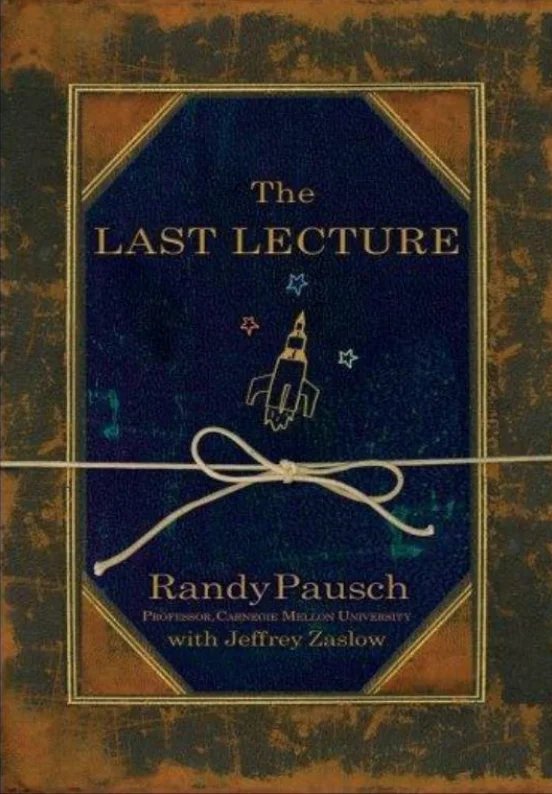
The Last Lecture is a profoundly moving and inspirational book based on the final lecture delivered by Carnegie Mellon professor Randy Pausch, who was diagnosed with terminal pancreatic cancer. With only months to live, Pausch chose to leave a legacy for his children, students, and the world by distilling his life’s wisdom into a timeless talk titled “Really Achieving Your Childhood Dreams.” This book expands on that lecture, blending memoir, life advice, and hard-won truths about living with purpose, even in the face of death.
1. Achieving Childhood Dreams
Pausch believed that childhood dreams—no matter how whimsical—shape who we become. He shares his own journey of chasing dreams like becoming an Imagineer at Disney (which he eventually did) and playing in the NFL (which he didn’t, but learned invaluable lessons from trying).
Key Takeaway: Even unfulfilled dreams teach resilience and creativity.
2. The Power of Perseverance
Pausch’s “brick walls” metaphor became iconic: “The brick walls are there for a reason. They’re not there to keep us out. They’re there to give us a chance to show how badly we want something.”
Example: His relentless pursuit of joining Disney, despite repeated rejections, eventually led to a consulting role on Aladdin VR.
3. Time Management & Prioritization
A computer scientist by trade, Pausch applied logic to life. His “time management” lecture tips—like tackling the “ugliest” task first—are practical gold.
Tool: The “To-Do List” strategy: “Ask yourself: ‘Will this matter on my deathbed?’ If not, deprioritize it.”
4. Humor & Positivity in Adversity
Despite his diagnosis, Pausch refused self-pity. His humor (“I’m in better shape than most of you!” during his lecture) and gratitude (for his “10 good years” post-diagnosis) redefine resilience.
Quote: “We cannot change the cards we’re dealt, just how we play the hand.”
5. Leaving a Legacy
The book’s heart is Pausch’s love letter to his three young children. Chapters like “It’s About How to Live Your Life” and “Dreams for My Children” offer paternal wisdom:
Advice: “Tell the truth. Be earnest. Apologize when you screw up. Don’t complain—just work harder.”
“Head Fake” Learning: Pausch’s concept that the best lessons are disguised (e.g., football taught teamwork, not just sports).
The Role of Mentors: His tribute to teachers like Andy van Dam, who pushed him to aim higher.
Gratitude as a Lifeline: How thanking his caregivers gave him strength during treatment.
Why It Resonates:
Pausch’s story isn’t about dying—it’s a playbook for living intentionally. His blend of logic (“Treat life like a debugging project”) and emotion (“Love is the ultimate legacy”) makes this a manual for anyone seeking meaning.