
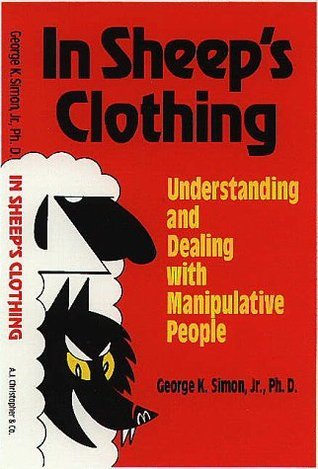
In Sheep’s Clothing by George K. Simon Jr. exposes the hidden tactics manipulative people use to control others. This eye-opening book reveals how disturbed characters disguise their intentions, exploit empathy, and evade responsibility. With practical strategies, it teaches you to recognize manipulation, set strong boundaries, and protect your emotional well-being. A must-read for anyone who’s ever felt confused, drained, or taken advantage of in a relationship.
In Sheep’s Clothing is a powerful, eye-opening guide that reveals how manipulative people operate, hiding behind charm, kindness, and false humility while quietly undermining others to get what they want.
Written by Dr. George K. Simon Jr., a clinical psychologist and expert on character disorders, this book strips away the masks manipulators wear and teaches readers how to recognize their tactics before they’re exploited.
“The most dangerous wolves don’t look like wolves, they look like sheep.”
This summary walks you through the core ideas of the book, offering a clear, practical breakdown of how manipulative personalities function, the strategies they use, and how you can protect yourself in relationships, work, and family life.
Simon begins by exposing a disturbing truth:
Not all harmful people are loud, aggressive, or obviously toxic.
Many of the most damaging individuals are covertly manipulative, they appear kind, helpful, even humble, but their actions serve one purpose: to gain power, avoid responsibility, and control others.
He calls them “disturbed characters” who disguise their true nature so well that victims often blame themselves for the conflict.
“They don’t attack you head-on. They erode your confidence, shift blame, and make you question your own judgment.”
These people aren’t mentally ill in the traditional sense, they’re skilled at exploiting social norms and emotional vulnerabilities.
Simon identifies that manipulators are not defined by mental illness but by character disturbance, a pattern of behavior focused on self-interest at the expense of others.
Common traits include:
They thrive in environments where honesty, kindness, and fairness are valued, because they know these virtues make good people easy to manipulate.
“They weaponize your goodness against you.”
Examples include:
One of the biggest mistakes we make is assuming everyone plays by the same rules.
We assume people:
But manipulators operate under different principles:
“You can’t reason with someone who doesn’t value truth.”
Simon argues that trying to “fix” or “reason with” a manipulator only empowers them. Instead, you must recognize their game and refuse to play.
Simon outlines how manipulation unfolds in predictable phases:
The manipulator assesses your weaknesses, your desire to help, your fear of conflict, your need for approval.
“They study you like a predator studies prey.”
They initiate contact with flattery, sympathy, or apparent vulnerability to build trust.
“I’ve never told anyone this before… but I trust you.”
Once trust is established, they begin making requests, shifting blame, or creating crises that demand your attention
“If you really cared, you’d do this for me.”
When confronted, they deflect, deny, or reverse roles, making you feel guilty for calling them out.
“After all I’ve done for you, this is how you treat me?”
This cycle repeats until boundaries are set, or the relationship collapses.
Simon breaks down the most frequent strategies manipulators use:
Using your conscience against you.
“I guess if you’re too busy, I’ll just figure it out alone…”
Portraying themselves as suffering to avoid accountability.
“Everyone’s always picking on me!”
Bringing a third person into the conflict to pressure you.
“Even your mom thinks you’re overreacting.”
Overwhelming affection early in a relationship to create dependency.
“You’re the only one who truly understands me.”
Making you doubt your memory, perception, or sanity.
“That never happened. You’re imagining things.”
Indirect hostility disguised as humor or indifference.
“Fine. Do whatever you want. I don’t matter anyway.”
“These aren’t quirks, they’re calculated tactics.”
Workplaces are breeding grounds for manipulation because power, recognition, and resources are at stake.
Watch for:
Simon advises:
“A healthy workplace rewards integrity, not manipulation.”
Manipulation often hides in plain sight in close relationships.
Red flags include:
Simon emphasizes:
“If you’re always walking on eggshells, you’re not in love, you’re in danger.”
He also warns against trying to “save” a manipulative partner. Change only happens if they acknowledge their behavior, and most won’t.
Throughout the book, Simon shares real clinical examples:
These stories illustrate how manipulation works silently, and how victims slowly lose their sense of self.
“The worst abuse isn’t physical, it’s psychological erosion.”
Simon explains that manipulators aren’t necessarily “evil”, but they are emotionally undeveloped.
Key insights:
“They don’t feel bad when they hurt you, because they don’t see you as equal.”
He distinguishes between:
Most advice fails because it treats manipulators as neurotic, when they’re actually predators playing a game.
Simon offers clear, actionable steps to defend against manipulation:
Stop giving benefit of the doubt. Pay attention to actions, not words.
Say no firmly and consistently. Don’t justify or explain.
Manipulators thrive on debate. Stay calm. Repeat your boundary.
Stay composed. Anger or tears give them power.
Be honest, brief, and unemotional.
“I’ve decided not to lend you money. It’s not going to work for me.”
If possible, reduce or cut off contact with chronic manipulators.
Talk to trusted friends or a therapist who understands manipulation.
“You don’t rescue them. You protect yourself.”
Simon encourages readers to shift their thinking:
These shifts move you from victim to empowered observer.
In Sheep’s Clothing is not a book about hate or revenge, it’s about clarity, strength, and self-respect.
It teaches that:
As Simon writes:
“The best way to deal with a wolf is not to argue about whether it’s a sheep, but to keep it out of the pen.”
Once you learn to see manipulation for what it is, you reclaim your power, peace, and freedom.
Comments
1Best!