variabletribe@gmail.com
We deliver life changing content to our users
All history Self-help Personal Development Psychology Business leadership
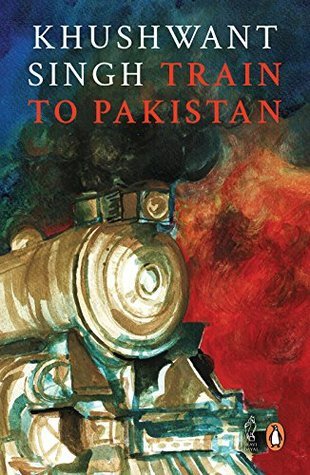
Train to pakistan

Train to pakistan

By Khushwant Singh

Train to Pakistan by Khushwant Singh is a gripping novel set during the 1947 Partition of India. In a peaceful Punjabi village, religious harmony shatters as refugees flee and violence erupts. When a train carrying Muslim passengers is ambushed, a criminal-turned-hero makes the ultimate sacrifice. This powerful story explores the cost of hatred, the failure of leadership, and the enduring power of love and courage in times of chaos.
Published: 1956
Why Nations Fail

Why Nations Fail

By Daron Acemoglu & James A. Robinson

Why Nations Fail by Daron Acemoglu and James A. Robinson reveals why some countries prosper while others stay poor. It argues that success isn’t about culture, climate, or ignorance, but about institutions. Inclusive systems that empower people lead to lasting prosperity, while extractive ones enrich elites and trap nations in poverty. Drawing on centuries of history, this eye-opening book transforms how we understand global inequality and the true roots of national success.
Published: 2012
Pages: 585
War on Peace: The End of Diplomacy and the Decline of American Influence

War on Peace: The End of Diplomacy and the Decline of American Influence

By Ronan Farrow

War on Peace by Ronan Farrow exposes the decline of American diplomacy and the rise of militarized foreign policy. Drawing on insider experience and deep reporting, Farrow shows how the State Department has been sidelined, while military solutions dominate. This urgent book argues that without a revival of diplomacy, the U.S. risks endless war and lost influence. A powerful call to restore the art of peacemaking before it’s too late.
Published: 2018
Pages: 432
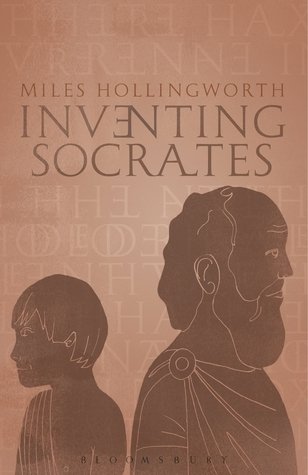
Inventing socrates

Inventing socrates

By Miles Hollingworth

Inventing Socrates explores how the legendary philosopher has been reimagined across centuries, from Augustine to Nietzsche, as a symbol of reason, faith, and self-examination. Miles Hollingworth reveals that Socrates is not a fixed figure, but a mirror reflecting our deepest quests for meaning. A profound meditation on identity, virtue, and the power of questioning, this book invites readers to invent their own Socrates, and in doing so, discover themselves. Summary powered by VariableTribe
Published: 2008
Pages: 177
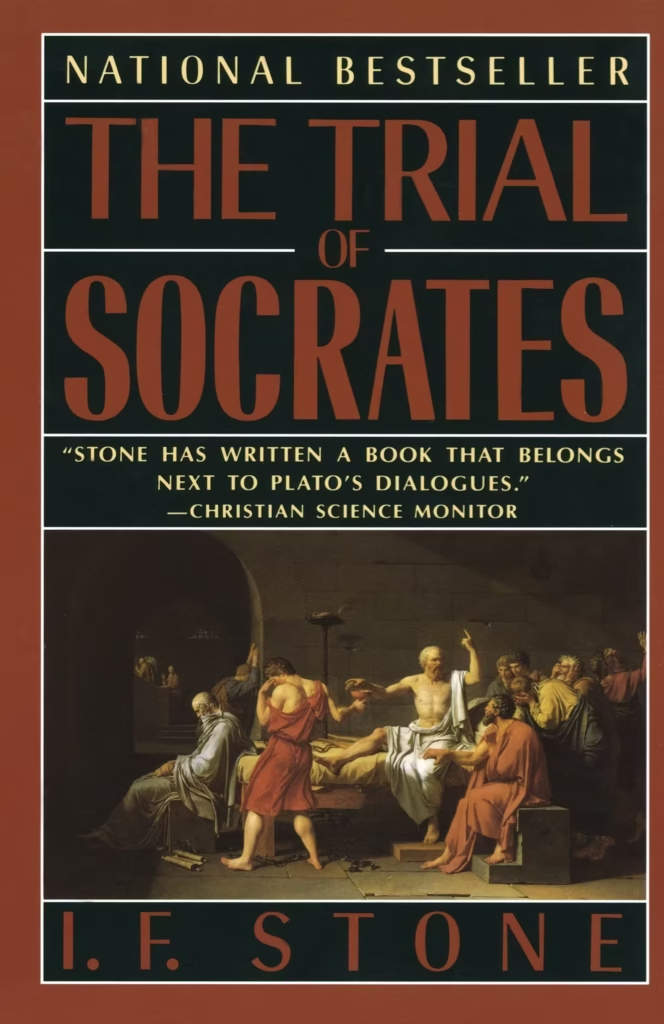
The trial of socrates

The trial of socrates

By I.F. Stone

In The Trial of Socrates, I.F. Stone reexamines the legendary philosopher’s condemnation with journalistic precision and moral depth. Was Socrates a martyr for free thought or a provocateur who challenged a wounded democracy too far? Drawing on classical texts and historical insight, Stone unveils the political tensions behind the trial, revealing timeless lessons about truth, power, and civic responsibility. A profound exploration of one man’s stand against the state, and what it means for us today. Summary powered by VariableTribe
Published: 1988
Pages: 298
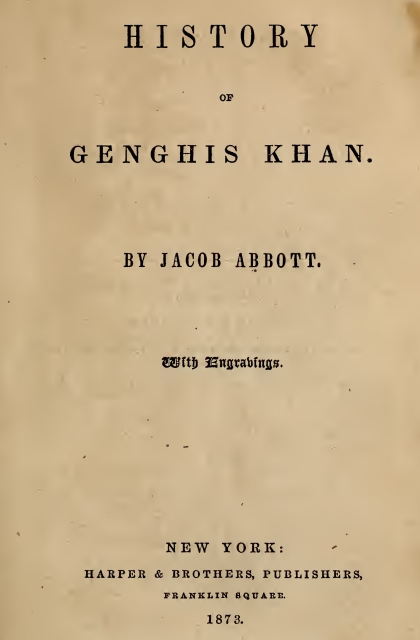
History of Genghis Khan

History of Genghis Khan

By Jacob Abbott

Genghis Khan by Jacob Abbott tells the story of Temujin’s rise from outcast to ruler of the largest land empire in history. Through courage, strategy, and ruthless leadership, he united the Mongol tribes and conquered vast territories. This classic biography highlights his military genius, governance, and lasting impact on world history—offering timeless lessons in leadership, resilience, and ambition.
Pages: 348
Duration: 1h 28m
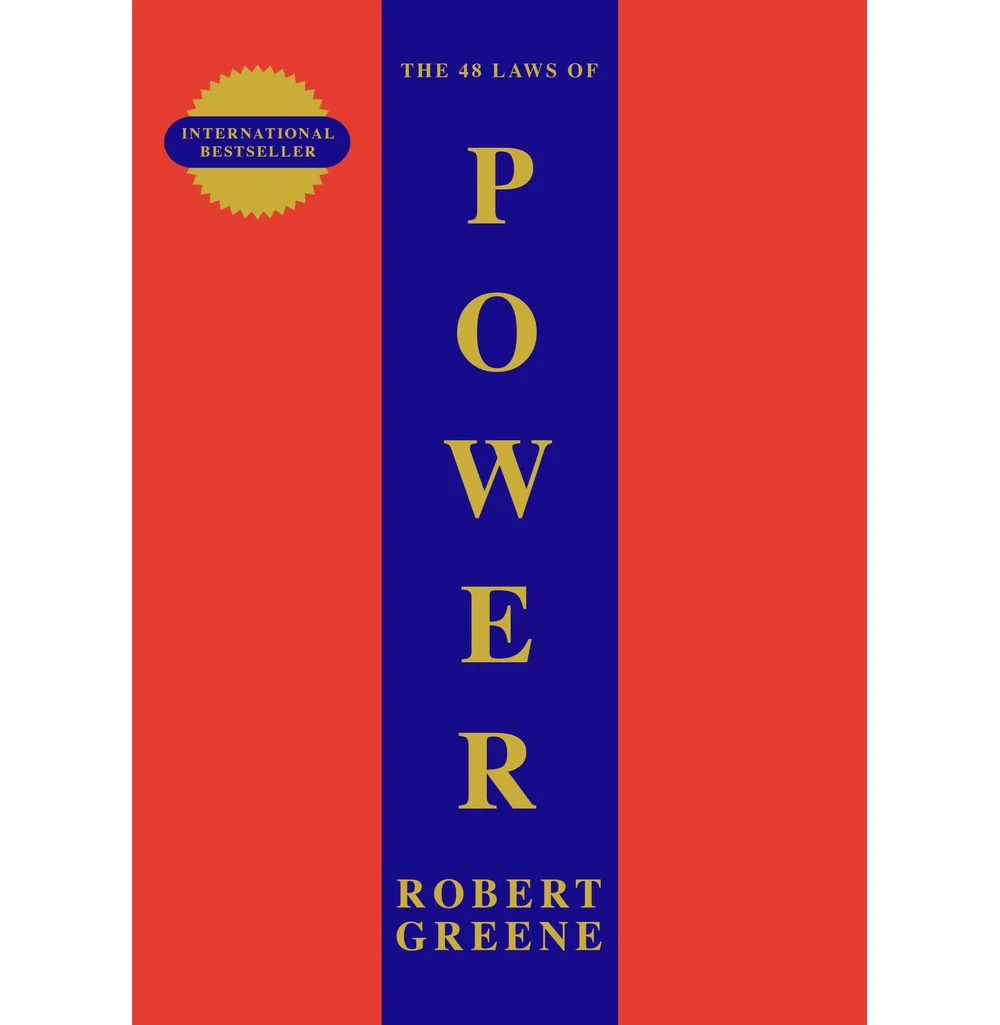
The 48 Laws of Power

The 48 Laws of Power

By Robert Greene

The 48 Laws of Power reveals the hidden rules of influence through history, psychology, and strategy. Robert Greene outlines timeless principles used by leaders, manipulators, and visionaries to gain and maintain control. Whether you want to protect yourself or master the game of power, this book teaches how to navigate complex social dynamics, avoid manipulation, and position yourself for lasting success.
Published: 1998
Pages: 478
Duration: 9h 53m