


The Illusion of Freedom: How You’re Still a Slave.
True freedom begins within. It's not just the ability to move. It's the power to think, act, and live without fear, addiction, or the need…
Read Article


True freedom begins within. It's not just the ability to move. It's the power to think, act, and live without fear, addiction, or the need…
Read Article
Blood makes you related. Loyalty makes you brothers. The modern world sells weakness disguised as connection, thousand-strong follower counts, group chats full of empty banter,…
Read Article
“Please don’t wake up,” Bailey thought, watching the cynical, infuriating guy beside her sleep. Despite his button-pushing throughout their flight, she couldn’t help noticing his attractiveness now—the length of his eyelashes, thickness of his dark hair, and tiny dimple in his chin. “You checking me out, Glasses?” he asked without opening his eyes, making her flush with embarrassment. “Swear to God I can hear you holding your breath. Relax and exhale, kid; it’s okay to creep on me.”
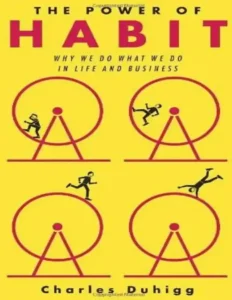
When a habit emerges, the brain stops fully participating in decision making. It stops working so hard, or diverts focus to other tasks. Unless you deliberately fight a habit—unless you find new routines—the pattern will unfold automatically. However, simply understanding how habits work—learning to recognize the cues and rewards that drive them—makes them surprisingly easier to control. Once you break a habit into its components, you can fiddle with the gears.
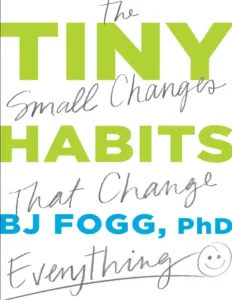
Behavior change is not a mystery; it’s actually quite predictable. When behavior change doesn’t happen, it’s typically because the person doesn’t want to do it, doesn’t know how to make it easy, or isn’t prompted to do it. With the Tiny Habits method, you can sidestep these obstacles by creating habits that are small enough to succeed regardless of motivation, designing for simplicity, and anchoring new behaviors to existing routines in your life.
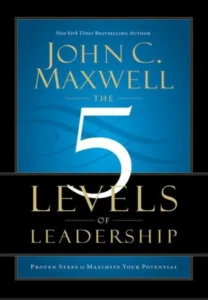
Leadership isn’t about titles or authority—it’s about influence and impact. In The 5 Levels of Leadership , John C. Maxwell reveals a step-by-step path to becoming a better leader, from starting with position to earning respect at the pinnacle. Whether you’re new to leadership or a seasoned pro, this book shows how to grow, lead with purpose, and develop others who will lead after you.
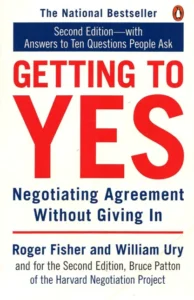
Most negotiations end in compromise—but not necessarily in success. Getting to Yes offers a smarter way to negotiate: focus on interests, not positions; work together creatively; and use objective standards to guide decisions. This proven method helps you achieve better outcomes without sacrificing your integrity or relationships.