
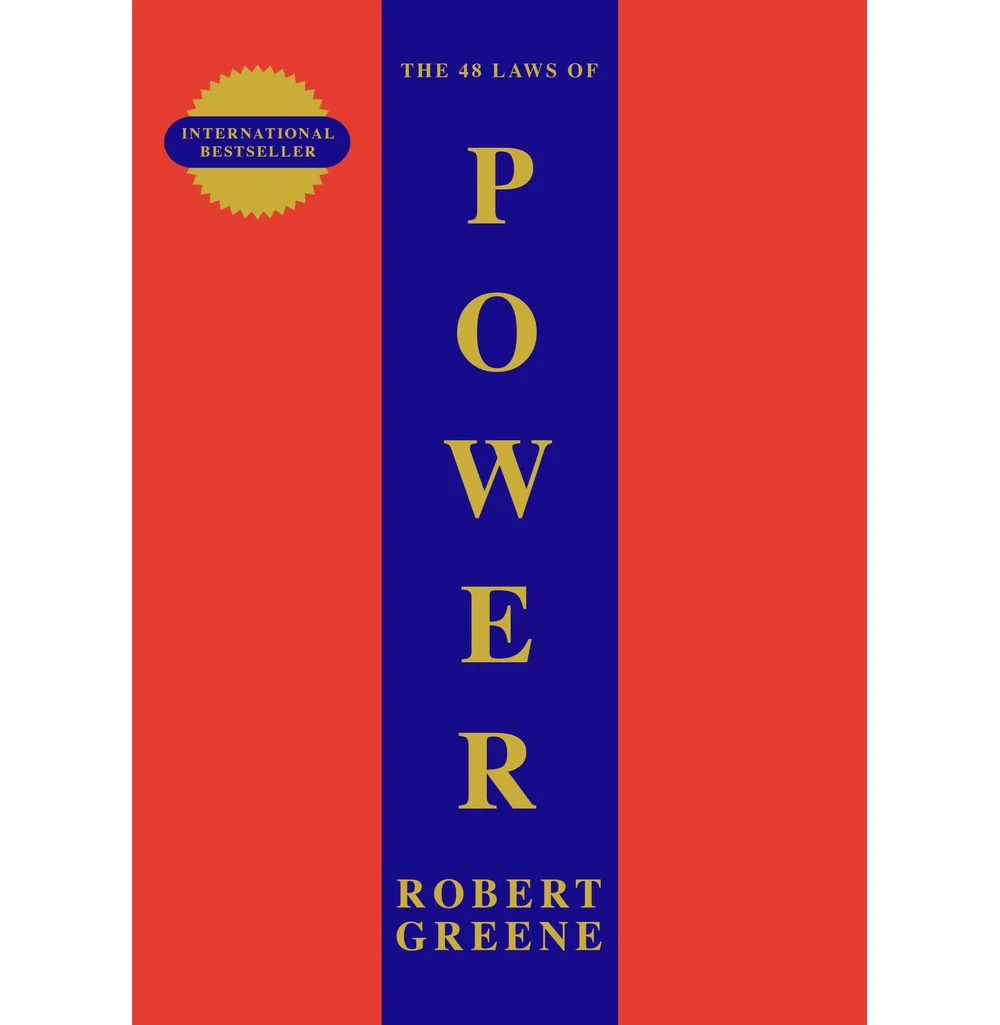
The 48 Laws of Power reveals the hidden rules of influence through history, psychology, and strategy. Robert Greene outlines timeless principles used by leaders, manipulators, and visionaries to gain and maintain control. Whether you want to protect yourself or master the game of power, this book teaches how to navigate complex social dynamics, avoid manipulation, and position yourself for lasting success.
The 48 Laws of Power is a modern classic on strategy, influence, and human behavior —especially in situations where power matters.
Written by Robert Greene , with research assistance from Joost Elffers , this book blends history, philosophy, psychology, and real-life examples to offer a powerful guide for gaining, maintaining, and defending power in personal and professional life.
Greene doesn’t preach morality—he presents laws based on historical patterns observed in the lives of rulers, generals, politicians, and manipulators throughout history.
“Power is a game—and those who understand its rules win.”
Each of the 48 laws is supported by vivid historical anecdotes, making it both educational and entertaining.
This summary will walk you through the core ideas of the book, offering practical takeaways that apply to modern life—even if you’re not trying to rule an empire.
Greene argues that power isn’t inherently good or evil—it’s a force that shapes every relationship, workplace, and social interaction .
His goal is to help readers:
He warns that people who ignore the laws of power often become victims of it—while those who study and apply these principles can rise above chaos and control their destiny.
“All things being equal, power always wins.”
The 48 Laws of Power appeals to:
It’s often cited by figures like Jay-Z, 50 Cent, and many Silicon Valley leaders as a source of inspiration—not just for gaining power, but for understanding how it operates in the world.
Rather than listing all 48 laws here in full detail, we’ll explore the most impactful ones and highlight key themes.
Always make those above you feel superior—even if you’re smarter or more talented. Ego is dangerous when it threatens someone else’s sense of power.
People who reveal their plans too early are easy to manipulate. Keep your strategy hidden until the right moment.
Visibility is power. Being ignored is worse than being criticized. Make sure people know who you are—even if they don’t like you.
If you must fight someone, do it decisively. Leaving enemies intact invites future retaliation.
Admitting weakness when outmatched can disarm opponents and buy time to regroup and strike back later.
Everyone has a weakness, a point of leverage. Find what moves others and use it wisely.
Be unpredictable. Don’t let people define or categorize you. Stay fluid and adaptable.
“Mastery of power demands detachment. You must be able to step back emotionally and observe the field like a general.”
Each law includes:
Greene draws from a wide range of historical figures:
These stories illustrate how power plays out in real life—and how to avoid common traps.
Greene shows that power is less about strength and more about perception. Those who understand how people think and react have a huge advantage.
One of the recurring warnings is: never let emotions cloud judgment . Greed, anger, fear, and ego often lead to downfall.
Before entering any situation—whether a negotiation, a new job, or a relationship—study the players and the rules.
Greene avoids moralizing. He focuses on effectiveness, not ethics. His message is: learn the laws so you’re not blind to the game of power.
You can choose how to use power—constructively or destructively. But knowing how it works gives you the upper hand either way.
While some critics argue that The 48 Laws of Power promotes manipulation or unethical behavior, many readers find it useful for:
For example:
“Power is not only something you take—it’s also something you cultivate by mastering your environment.”
Greene offers deep insights into leadership:
Many of the laws serve as cautionary tales for leaders:
“A leader must be willing to act ruthlessly—but never without justification.”
The book is often seen as a guide for personal development and navigating relationships:
These laws aren’t just for villains—they’re for anyone who wants to protect themselves and thrive in competitive environments.
Entrepreneurs and professionals can benefit greatly from the book:
“Success is a matter of timing and positioning—not just talent.”
Greene provides tools that readers can begin using immediately:
“Power is not about brute force—it’s about subtle control.”
The 48 Laws of Power remains popular because:
Whether you agree with all the laws or not, the book forces you to think critically about power dynamics —which is essential in today’s world.
“Study these laws not to use them, but to recognize when they are being used on you.”
The 48 Laws of Power is not a book about morality—it’s a book about reality. It teaches that:
As Greene writes:
“Power is a skill. It’s a game. And the best players win.”

Comments
1This is a great book.Never outshine your master!